An Upcoming Industry
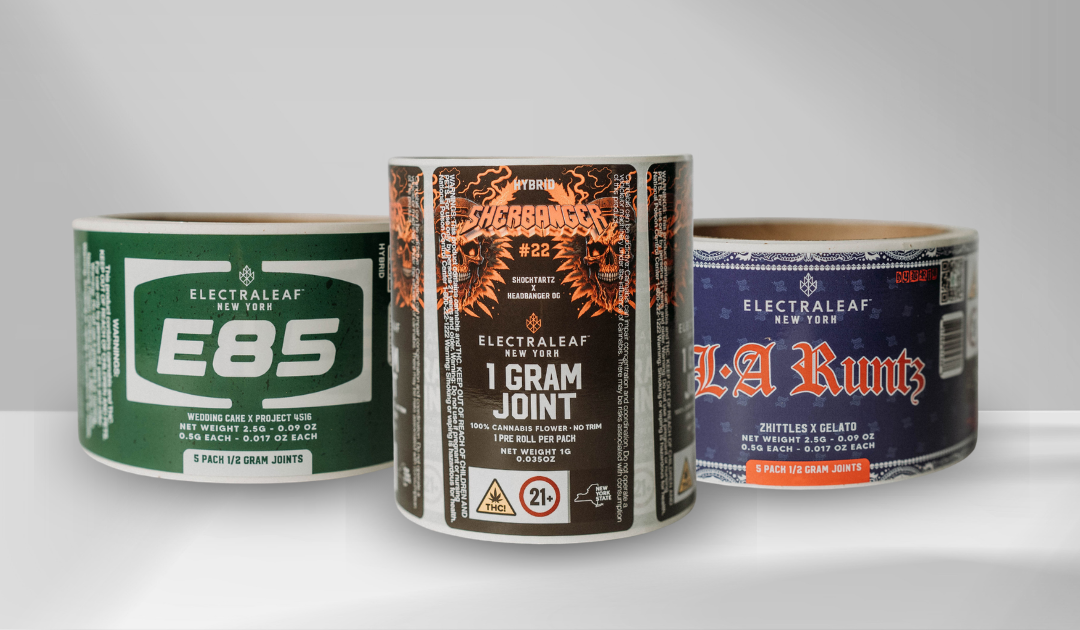
The legal cannabis market continues to evolve, and product labeling remains one of the most critical components of regulatory compliance and brand positioning. For cannabis industry business owners, labels are not simply decorative elements. They communicate required information, protect your license, and shape how consumers perceive your product.
Below are key best practices to guide your labeling strategy.
1. Understand Regulatory Requirements Before Designing
Cannabis labeling requirements vary by state, but most jurisdictions require specific information to appear clearly and accurately.
Common elements include:
- Product name and type
- Cannabinoid potency such as THC and CBD content
- Net quantity
- Batch or lot number
- Health warnings and age restrictions
- Manufacturer or licensee information
- State-mandated universal symbols
Before finalizing artwork, confirm that your label layout accommodates all required elements with appropriate font size, placement, and visibility. Designing first and adjusting later often results in costly reprints.
2. Prioritize Clarity and Legibility
Regulators and consumers both expect clear, readable information. Use high-contrast color combinations and clean typography to ensure compliance text remains legible. Avoid overcrowding the layout or reducing font size simply to make the design fit.
Material choice also affects readability. The right finish and print quality ensure that small compliance text remains sharp and does not blur, smear, or fade over time.
3. Balance Compliance With Brand Identity
Compliance is mandatory, but branding remains essential. Your label is a primary touchpoint for consumer recognition and trust. Strategic layout planning allows required information to coexist with strong visual identity.
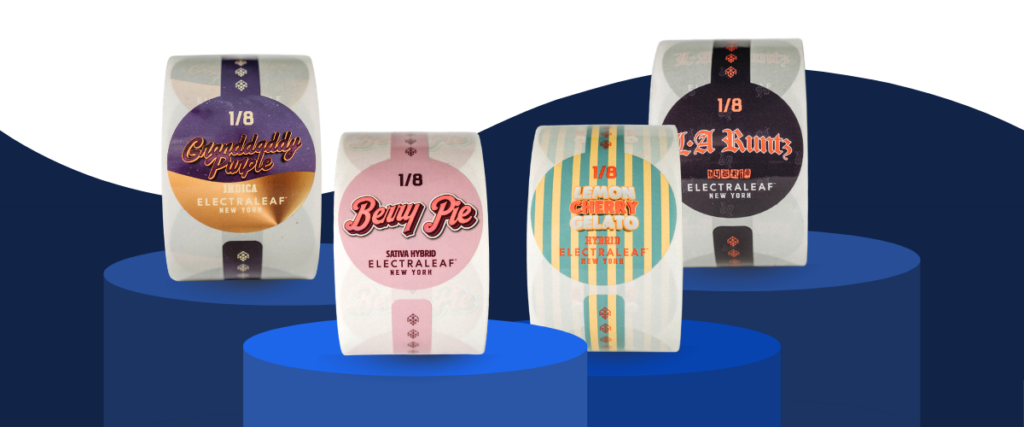
Material and finish options such as full-color printing, clear labels, and custom die-cut shapes can elevate presentation while maintaining regulatory standards. A professional label partner can help you achieve visual impact without sacrificing required elements.
4. Select Durable Materials for Product Conditions
Cannabis products are exposed to varying environments including humidity, refrigeration, frequent handling, and storage. Label materials must withstand these conditions without peeling, smudging, or fading.
Water-resistant stocks, laminated finishes, and high-quality adhesives are particularly important for products such as tinctures, concentrates, and flower containers. Durable labeling protects both your compliance information and your brand image.
5. Incorporate Tracking and Transparency Tools
Many cannabis markets now encourage or require QR codes or scannable elements that link to lab results and batch data. These tools enhance transparency and build consumer trust.
Ensure that scannable elements are printed at sufficient resolution and placed where they remain accessible without interfering with other required information.
6. Establish an Ongoing Compliance Review Process
Cannabis regulations change frequently. A label that meets standards today may require updates tomorrow. Conduct periodic audits of your packaging and labeling to ensure continued compliance.
Working with a knowledgeable label provider allows you to respond quickly to regulatory updates and reduce the risk of enforcement issues or product recalls.
7. Partner with an Experienced Label Provider
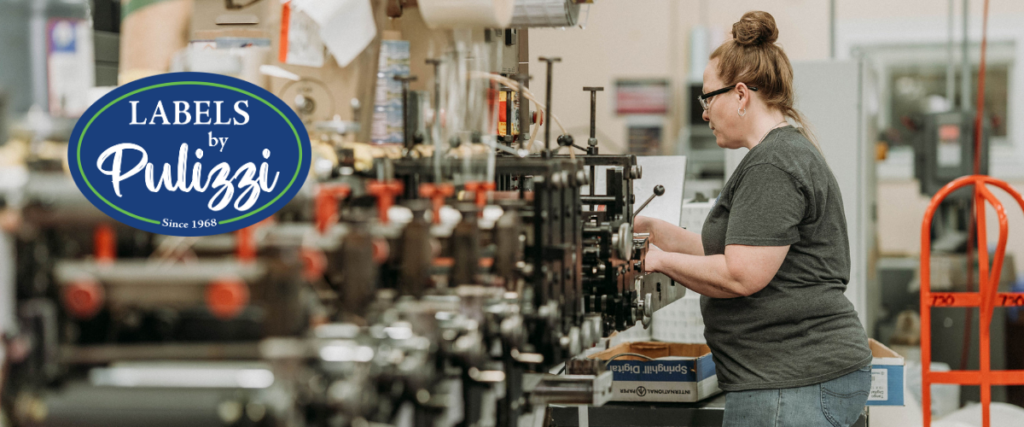
Professional label manufacturing goes beyond printing. It includes material selection, design guidance, production consistency, and quality control. An experienced partner can help you streamline compliance, reduce waste, and maintain brand consistency across product lines.
Labels by Pulizzi offers customizable labeling solutions backed by decades of printing expertise. From selecting appropriate materials to ensuring production precision, working with a trusted provider helps cannabis businesses maintain compliance while presenting a polished, professional product.
Our Team Will Guide You
In the cannabis industry, labeling is both a regulatory obligation and a competitive advantage. By focusing on compliance, clarity, durability, and professional execution, business owners can protect their operations while strengthening their brand presence in an increasingly competitive marketplace.
Investing in thoughtful, well-produced labels is an operational decision that supports long-term growth and credibility.